
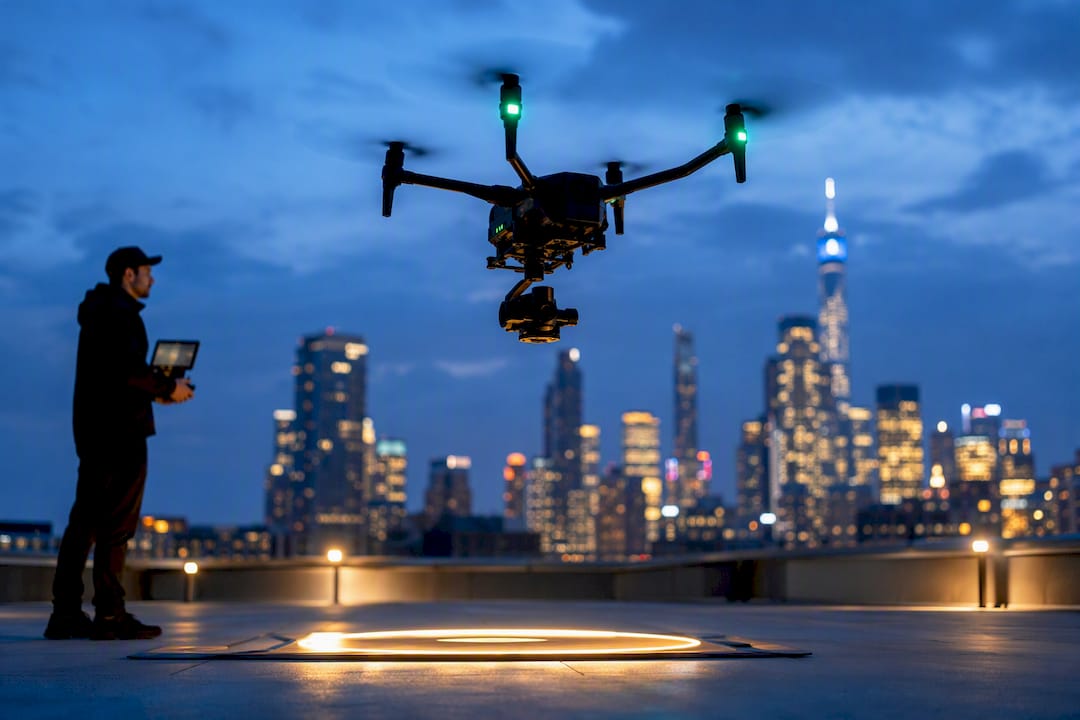
Drone Cinematography Cost: 3 Budget Frameworks for Buyers
Drone cinematography cost ranges between $150-$300 USD for basic aerial coverage on Fiverr.com to $900-$2,000+ for premium cinematic drone video production according to their marketplace statistics. Keep those figures in mind for planning purposes but remember they are not a definitive rate card for every production. Your estimate will change depending on the flight itself, planning and production around the flight, and what finalized files your team actually requires.
Key Takeaways
- According to Fiverr.com, as of August 3, 2026 their marketplace rates fall between $150-$300 USD for basic aerial coverage. Productions with professional grade marketing videos cost between $400-$800. Drone production services with premium cinematic packages start at $900 to $2,000 or more. Keep in mind these are averages based on their online marketplace and not an every-manufacturer or regional breakdown.
- Scope the project before looking at pricing. The purchase of a drone quote for a flight-only job is not comparing the same buying decision as purchasing a completed marketing video.
- Don’t leave home without it. For drone flights operating under Part 107 within the U.S., make sure you’ve confirmed who the RPIC will be, how the aircraft is registered and Remote ID declared if needed, planned for airspace restrictions, and known the operating conditions before taking off.
- Know what deliverables you need finished, where you’ll be allowed to use them, who gets access to the files if needed and how much weather Mother Nature will play into your shoot before reviewing quotes.
Table of Contents
- What determines drone cinematography cost?
- Three drone cinematography budget frameworks
- What should every quote include?
- Plan airspace, people, and night work before the shoot
- How to make aerial footage work harder in post-production
- When a full-service production partner makes sense
- FAQ
What Determines Drone Cinematography Cost?
Aerial footage is only one aspect of your videography cost. If you are purchasing a one-time location aerial pass of a house that’s one buy. A branded film needs that aerial purchase to fit into a larger creative goal including direction, ground coverage, video editing skills, color grading, audio treatment and possibly multiple versions for different platforms.
Let’s start with three tiers of work:
| Layer | What it covers | Buyer question |
|---|---|---|
| Flight operations | Site review, aircraft, remote pilot, safety planning, and the time needed to capture the shot | What conditions must be met before the aircraft can fly? |
| Production | Creative approach, schedule, crew, ground coverage, access, and coordination | Is aerial work a standalone asset or part of a larger story? |
| Post-production | Editorial, color correction or grading, sound, graphics, captions, versions, and delivery | Which finished files are included, and who approves them? |
A lowball quote might encompass only tier 1. Buyer dissatisfaction begins when they want an edited campaign asset handed to them and they get clips instead.
Terminology worth noting: Raw Footage = camera files, unedited. Color correction = making shots even across the clip. Color grading = making the clip look a certain way intentionally. Usage Rights = how and where a client can use completed footage. Scope everything in writing.
Altitude limitations & operating conditions will define the plan too. The FAA says a person flying for work or business under Part 107 must follow that rule's framework, including a Remote Pilot Certificate for the remote pilot in command. UAS that need to be registered or are registered must always be operated under the Remote ID rule. For operations in controlled airspace, pilots will need FAA airspace authorization prior to flight. FAA drone commercial operator, Remote ID, and LAANC guidance all outline the federal minimum. Study those when working within US borders.
Three Drone Cinematography Budget Frameworks
Use these tiers as bracketing scope. The dollar ranges below were pulled from Fiverr’s marketplace guide as of August 3, 2026. Fiverr is describing marketplace listings, not a flat rate every pilot should charge in every region for every production.
1. Basic aerial capture: $150 to $300 marketplace reference
This level, according to Fiverr, includes straightforward flyover video of a property, occasion, or scenery, with little editing. Use this as a pricing benchmark for a narrowly defined, single location request.
You can shoehorn this package into your budget when you require establishing views but already have an editor, weather backup, location access, and a delivery schedule in place. This is not your brand video. Verify if the quote contains a completed edit, paid-media placement, travel expenses, re-booking fees, or simply shoot and handover.
2. Professional marketing video: $400 to $800 marketplace reference
By Fiverr’s definition, this could be drone footage paired with some ground level shots, editing & color, music, and versions for web or social media use. Consider that explanation when your objective is a marketing asset instead of an aerial insert solution.
Narrative and deliverables are the first scope questions answered in this table. Include your objective, desired hero-asset length, aspect ratios, caption requirements, quantity of cutdowns, and who must sign off in your brief. Kinter has a video production brief guide that can guide marketing teams through those sections before requesting a quote.
3. Premium cinematic production: $900 to $2,000 or more marketplace reference
It should come as no surprise that Fiverr funnels projects requiring creative direction, story boarding, multiple shooting locations, and elaborate post-production into this category. Note the “or more” language. When aerial footage becomes part of a commercial, a multi-day brand story, or highly specialized shoot, a one-size-fits-all package tier removes its value as a benchmark.
Structure your brief around this outline. Don’t let it define your budget. Clearly identify shooting locations, desired shot concepts, potential crew requirements for both aerial and ground teams, contingencies, final deliverables, and distribution outlets. A production company can then quote you on the real scope of the project.
Buyer tip: Marketplace minimums and maximums are useful as a starting point when first discussing a budget. Those numbers do not reflect if flying your desired site is possible, if your operation falls within FAA regulations, or even if the acquired files will be suitable for a paid media placement. Ask those questions before you start looking at prices.
What Should Every Quote Include?
Does a good quote make tradeoffs clear? Will dropping your price mean less flight time? Less crew coverage? Less finishing? Fewer rights? Fewer delivery versions?
Use this comparison checklist:
- Objective and creative scope. What is the aerial footage shooting to accomplish? Support a story? Is a shot list or treatment included?
- Location(s) and access. What locations are being covered? Who is responsible for obtaining property permission and site access and / or meeting location requirements?
- Flight plan. Who is functioning as the remote pilot in command? Who is evaluating airspace, temporary flight restrictions, weather, and making the final decision to fly or not?
- Crew and equipment. Is the crew being proposed a single aerial operator or an integrated aerial and ground team? Does the flight plan require a visual observer or other support crew member for the operation you are planning?
- Capture and finishing. How many hours of on-site filming, how much raw media, how much editorial work, color, sound design, graphics and captions, and revisions are included?
- Deliverables: File List (runtime, aspect ratio, resolution, caption format, destination for delivery).
- Usage and ownership: Approved outlets, duration, territory if applicable, exclusivity if applicable, whether or not raw footage will be provided.
- Contingencies: Weather call off, rescheduling, travel, overtime, location changes and deliverable changes.
Have these same fields on every vendor request. It’s the easiest way to comparison proposal content. Locking down platform versions early also avoids getting locked into shooting a wide frame that won’t later reframe for vertical placements. Check out Kinter’s video aspect ratios for advertising guide for what goes into production decisions for 9:16, 4:5, 1:1 and 16:9 deliveries.
Plan Airspace, People, and Night Work Before the Shoot
Flight feasibility should be treated like a pre-production gate. Don’t presume that a desired flight path is possible until a pilot reviews the operation and location.
The remote pilot in command (PIC) has the responsibility for compliance with applicable parts of the FAA’s Small UAS Rule for U.S. operations flown under Part 107. The rule covers certification and registration requirements, airspace classifications, night operations, visual line of sight, and operations over people. Operations may also require property access and knowledge of rules that are outside of FAA jurisdiction such as local tall building regulations.
- Controlled airspace: Prior authorization from the FAA is required before flight if the drone will operate below 400 feet in controlled airspace around airports. LAANC enables certain requests to be automated by FAA authorized service suppliers. Some operations will still require coordination with additional parties or may require a manual request. See FAA LAANC guidance for more information.
- Night work: Routine night operations are permitted under Part 107 if at the time of the operation the remote pilot has passed the required knowledge test or recurrent training regarding night operations, and the aircraft is equipped with anti-collision lighting that can be seen for at least three statute miles. Authorization from the FAA may also be required if the operation will take place in controlled airspace. Operations-over-people guidance from the FAA details these conditions.
- People and moving vehicles: That crowded beach or busy street corner isn't automatically drone worthy. The FAA has established categories and operating conditions for flights over people and moving vehicles. By examining the aircraft, flight path, and non-participating people on the ground, the pilot can make a determination if the proposed operation fits within FAA guidelines, rather than a client assuming a crowd shot is available. Operations-over-people guidance from the FAA details the categories.
- Waivers and authorizations: Getting a waiver from the FAA isn't necessary for every shoot. According to the FAA, if a pilot is unable to comply with one of its published Part 107 regulations, then they may need to apply for and receive an operational waiver. The FAA's DroneZone is the agency's official site for managing drone services and can accept airspace authorization requests. The FAA has provided waiver guidance. Learn about the process on FAA DroneZone.
This article is for general production information purposes only and should not be considered legal advice. The remote pilot in command and production team should review the operation they intend to conduct along with current FAA regulations and any property or local restrictions prior to filming.
How to Make Aerial Footage Work Harder in Post-Production
Storyboard the edit before you fly the aircraft. Don't launch if your shot doesn't have an editorial purpose. If it doesn't establish your location, show scale, connect scenes, or support a key line, then it's just expensive video filler no matter how pretty the pass.
Create the aerial shot list based on the edit outline. Detail the story beat, movement, timing, aspect ratios, and any ground coverage needed for each shot. This allows you to know what the edit requires while providing room in the schedule for alternate shots in changing conditions.
Request master delivery and any versions needed for distribution. A landscape framed website film, vertical cut for social, and square feed asset can require different framing when filming on set. Kinter's guide to video production covers how pre-production, production, post-production, and repurposing interconnect. Our post-production services page breaks down editing, color grading, sound design, motion graphics and related finishing services.
Confirm the file list, captions/placements, rights language, and archive handoff before accepting delivery. That last step is what makes your investment ready to use.
When a Full-Service Production Partner Makes Sense
Work aerial capture into a larger production when the story, timeline, or multiple deliverables require coordination. Hiring a dedicated pilot may be your best solution for a defined aerial shot. Assemble a video production team when your aerial footage needs to line up with interviews, product footage, talent, brand direction, multiple locations, or platform-specific versions.
Our video production and post-production services pages detail a wider scope of services from planning through editing, color grading, sound design and motion graphics. Plan for an audience, story, location, deliverables, and final approvals when starting an aerial-led project. Identifying these factors will let you know if drone filming and photography services are a solo endeavor or one portion of a larger video production.
Plan your next project with Kinter Media.
Sources
- Federal Aviation Administration, Certificated Remote Pilots including Commercial Operators
- Federal Aviation Administration, UAS Data Exchange (LAANC)
- Federal Aviation Administration, Remote Identification of Drones
- Federal Aviation Administration, Operations Over People General Overview
- Federal Aviation Administration, Part 107 Waivers
- Federal Aviation Administration, FAA DroneZone
- Fiverr, How Much Does It Cost to Hire a Drone Videographer?, August 3, 2026
FAQ
How much does drone cinematography cost?
Guidelines from Fiverr's 2026 marketplace guide start at $150-$300 for basic aerial coverage. Professional grade marketing videos range from $400-$800. Premium cinematic packages run from $900-$2,000+. Remember these are pricing references from online vendors, not universal rates. Production scope, locations, crew size, finishing expectations, footage rights, and contingency plans raise or lower your project estimate.
Does a commercial drone pilot need Part 107 certification?
The remote pilot in command must hold a Remote Pilot Certificate to conduct a Part 107 operation, according to the FAA. Verify who will be pilot in command and how the operator will assess the proposed flight. Read the FAA's guidance for commercial operators .
Can drone cinematography be filmed at night?
Potentially, yes. The FAA states the Part 107 test or recurrent training and anti-collision lighting must be visible for at least three statute miles if flying routinely at night. Operators also may need authorization to operate in controlled airspace. Read the FAA's guidance on night operations .
Can a drone fly over a crowd for an event video?
Not necessarily. The FAA has rules for operating over people and moving vehicles, but they are limited to specific categories and circumstances. Operators should evaluate the aircraft, flight path, non-participants, and site before agreeing to the shot. Read the FAA's overview .
What should I ask for in a drone video proposal?
Objective, locations, flight route, crew sizes, deliverables, usage licenses, revisions, weather cancellation policy, travel logistics, and who is responsible for planning access and regulatory compliance. "Drone video" is too broad a category to evaluate vendors fairly.